How Tucson’s Climate Can Impact Personal Injury Cases
Va
Understanding Tucson's Climate
Tucson, Arizona, is known for its desert climate, characterized by hot summers and mild winters. The unique weather conditions here can have a significant impact on personal injury cases. Whether it's a car accident or a slip and fall, the climate plays a vital role in shaping the circumstances and outcomes of these cases.
The Impact of Heat on Accidents
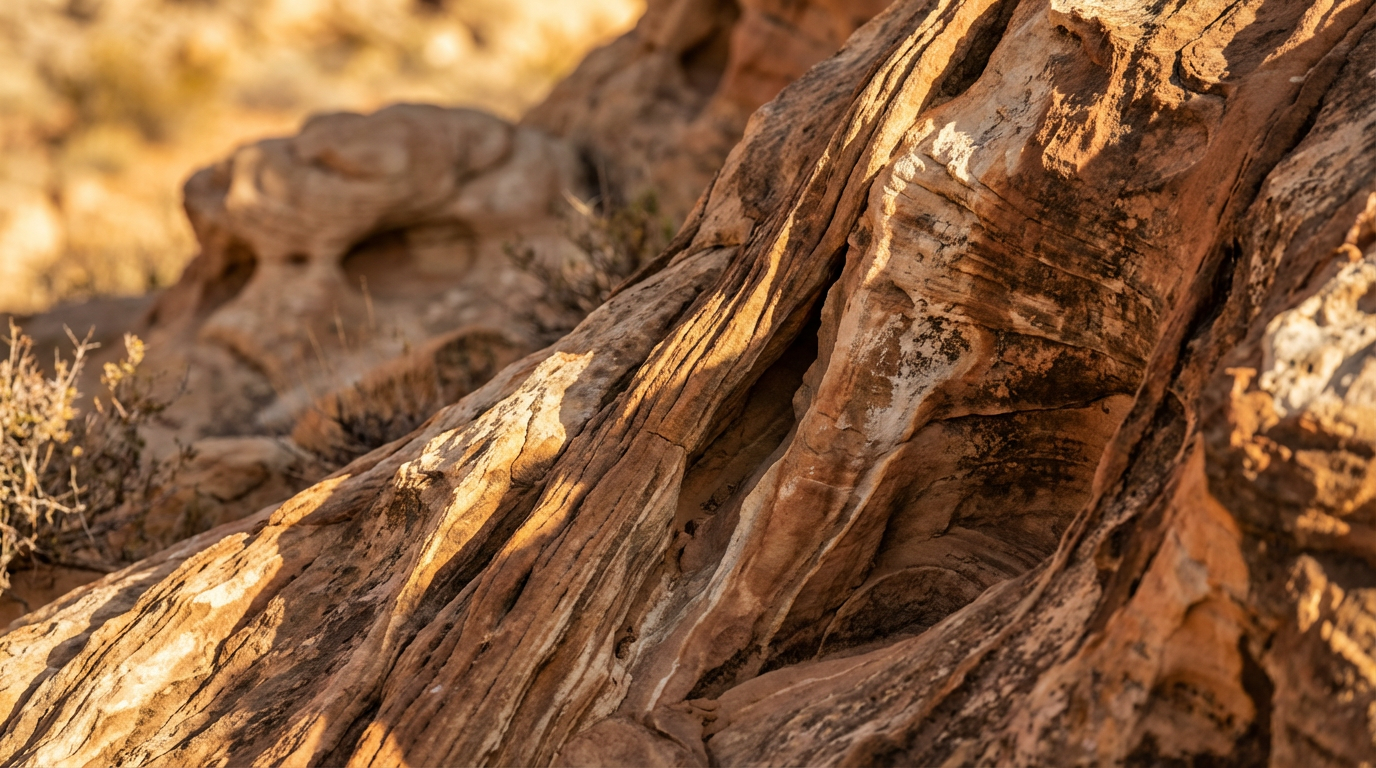
The intense heat in Tucson, especially during the summer months, can lead to various complications. High temperatures can cause fatigue and dehydration, affecting drivers' concentration and reaction times. This can increase the likelihood of car accidents, which may result in personal injury claims.
Furthermore, the heat can cause wear and tear on vehicles, leading to mechanical failures. Tire blowouts are more common in extreme heat, which can contribute to accidents on the road.
Weather-Related Hazards
Apart from the heat, Tucson also experiences sudden monsoon storms. These can lead to flash flooding, creating hazardous driving conditions. Wet and slick roads can contribute to accidents, and determining liability in such situations can be complex.
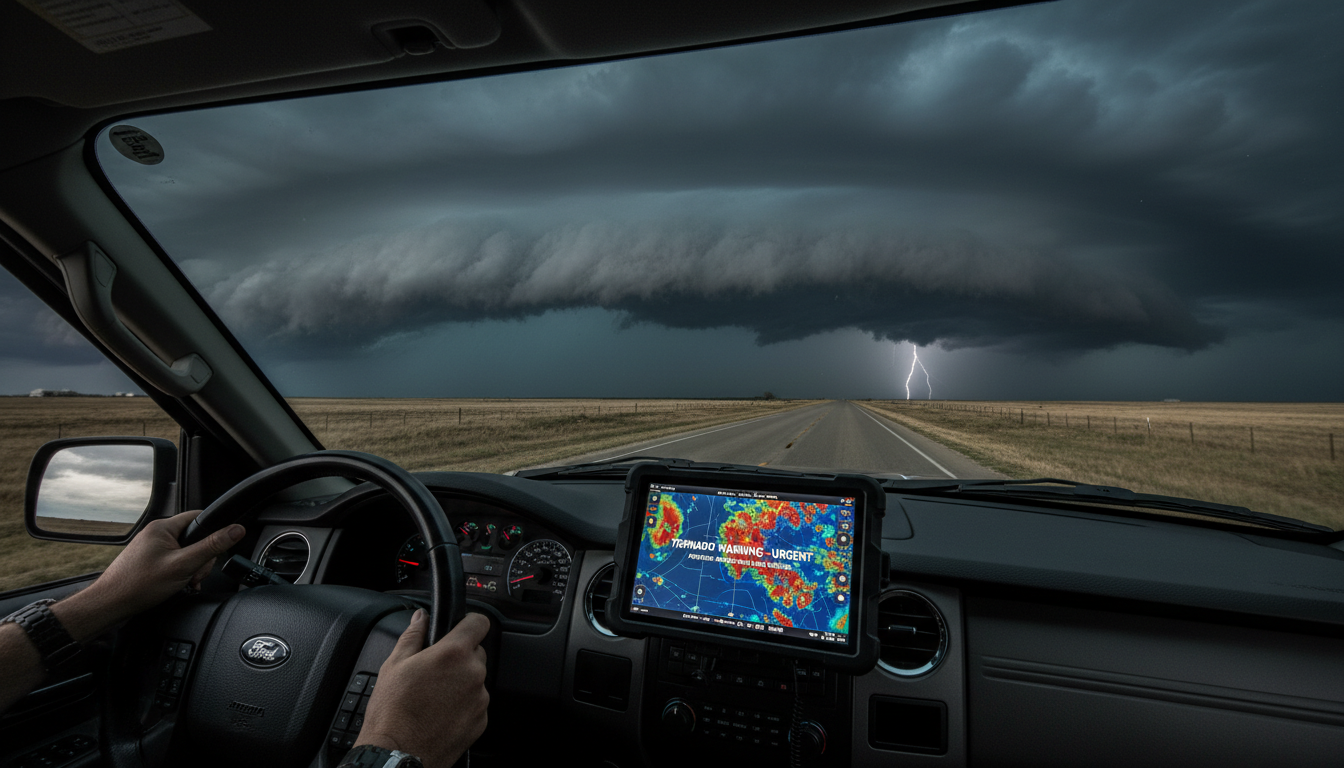
The monsoon season can also lead to fallen debris and poor visibility, further complicating the situation for drivers and increasing the risk of accidents.
Slip and Fall Cases
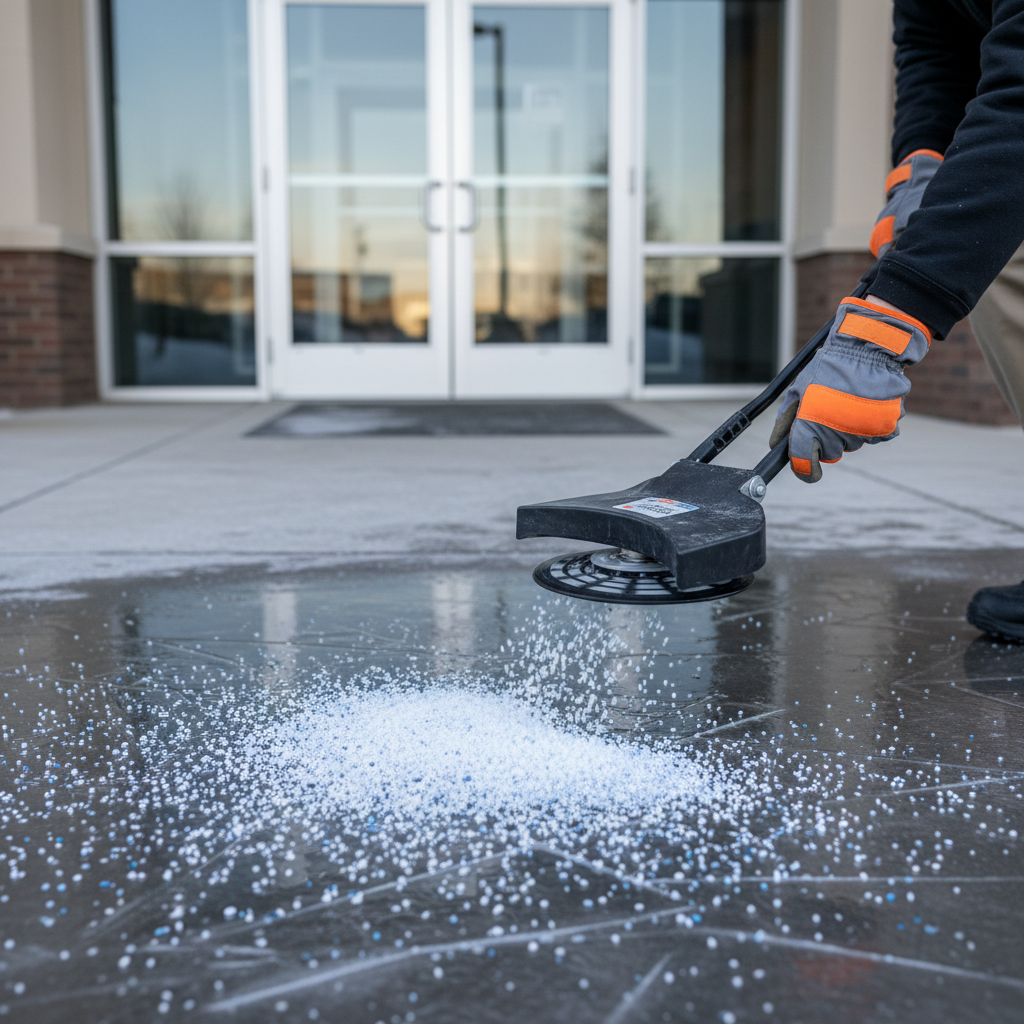
While Tucson is mostly dry, the occasional rain can create slippery conditions on sidewalks and in public areas. Property owners must maintain safe conditions, and failure to do so can result in slip and fall accidents. These incidents often lead to personal injury claims, where the climate can be a significant factor in determining liability.
It's essential for property owners to be aware of potential hazards brought on by the weather and take necessary precautions to prevent accidents.
Legal Considerations
When it comes to personal injury cases in Tucson, understanding the climate's impact is crucial for both plaintiffs and defendants. Attorneys need to consider weather conditions when gathering evidence and building a case. This might include obtaining weather reports, expert testimonies, and other relevant data to support claims.
The unique challenges posed by Tucson's climate mean that personal injury cases here can be more complex than in other regions. Legal professionals must be well-versed in these factors to effectively represent their clients.
Conclusion
Tucson's climate undeniably influences personal injury cases. From the sweltering heat to unpredictable monsoons, these weather conditions can affect the likelihood and nature of accidents. Understanding these impacts is crucial for anyone involved in a personal injury case in Tucson, from victims to legal professionals.
By considering the climate's role, those involved in such cases can better navigate the complexities and work towards fair and just outcomes.