The Impact of Arizona's Climate on Personal Injury Cases
Va
Understanding Arizona's Unique Climate
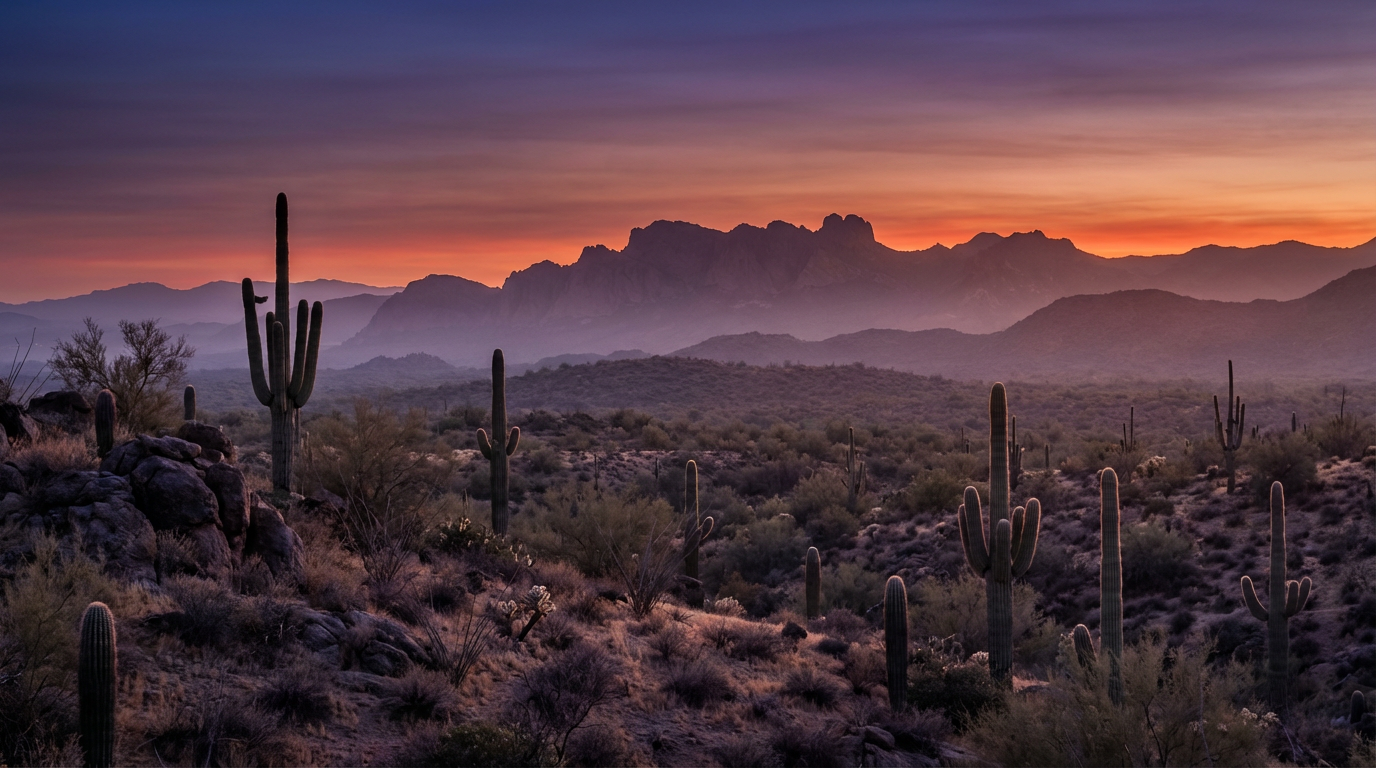
Arizona is known for its desert landscapes and unique climate, characterized by hot summers and mild winters. This extreme weather can have a significant impact on personal injury cases. The state's high temperatures often lead to heat-related injuries, while sudden weather changes can contribute to accidents.
The Role of Weather in Personal Injury Cases
Weather conditions play a critical role in many personal injury cases. In Arizona, the scorching heat can lead to heatstroke or dehydration, particularly for those working outdoors. Additionally, monsoon season brings heavy rains and dust storms, creating hazardous driving conditions and increasing the likelihood of accidents.
Heat-Related Injuries
The intense heat in Arizona can cause severe health issues. Heat exhaustion and heatstroke are common, especially among outdoor workers and vulnerable populations. These conditions can lead to substantial medical expenses and lost wages, which are critical factors in personal injury claims.

Impact of Dust Storms and Monsoons
Arizona's monsoon season can bring sudden and severe weather changes. Dust storms, known locally as haboobs, can reduce visibility on highways, leading to multi-vehicle collisions. The heavy rains can also result in flash flooding, further complicating travel and increasing the risk of accidents.
Legal Considerations in Weather-Related Cases
When pursuing a personal injury claim related to weather conditions, it’s crucial to understand how Arizona's climate can affect the case. Proving negligence can be challenging, as defendants may argue that the weather was an unavoidable factor. However, demonstrating that a party failed to take reasonable precautions can strengthen a claim.
Precautionary Measures and Liability
Individuals and businesses must take preventive measures to mitigate these risks. For instance, employers should ensure that outdoor workers have access to water and shade, while drivers should be educated on safe practices during adverse weather conditions. Failing to implement these safety measures can result in liability.
Insurance Implications
Insurance companies often scrutinize claims involving weather-related incidents. It is essential to provide comprehensive documentation, such as weather reports and eyewitness accounts, to support the claim. Understanding how insurance companies assess these cases can help claimants better prepare for negotiations or litigation.
Conclusion: Navigating Personal Injury Claims in Arizona
Arizona's climate poses unique challenges for personal injury cases. Whether dealing with heat-related health issues or accidents caused by extreme weather, understanding the impact of the climate is crucial. By recognizing the factors at play and taking proactive measures, individuals can better navigate the complexities of personal injury claims in this distinctive environment.